OUR METHODOLOGY

How do we identify our clients?
NWTF employs a number of tools to help us directly identify our target clientele. We aim to provide our services to as many poor women and their families as possible.
Client Development
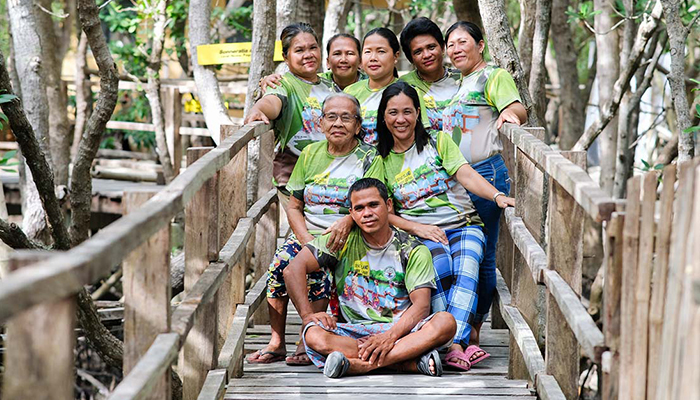
NWTF takes the adage, “Give a man a fish and you’ve fed him for a day; teach a man to fish and you’ve fed him for a lifetime,” to heart by providing our clients with the tools and information to realize their own potential.
IDENTIFYING OUR CLIENTS


Poverty Mapping
Poverty Mapping is, quite simply, the creation of a map of a given area. This process helps us assess a locality’s economic situation, and directly identify the poorest households in the community.

Progress out of Poverty Index
The Progress out of Poverty Index, or PPI, allows us to ascertain our clients’ living conditions and economic situations firsthand. It gives us an overview of our client’s economic situation and lets us track her status over time. It includes a scoring system that determines whether or not an individual fits into NWTF’s target client criteria.

Compulsory Group Training
Compulsory Group Training is a compulsory 3-day training course meant to teach client groups about our policies, principles, and procedures; and to reinforce the group’s sense of accountability and responsibility to one another.
Group Recognition Test (GRT)
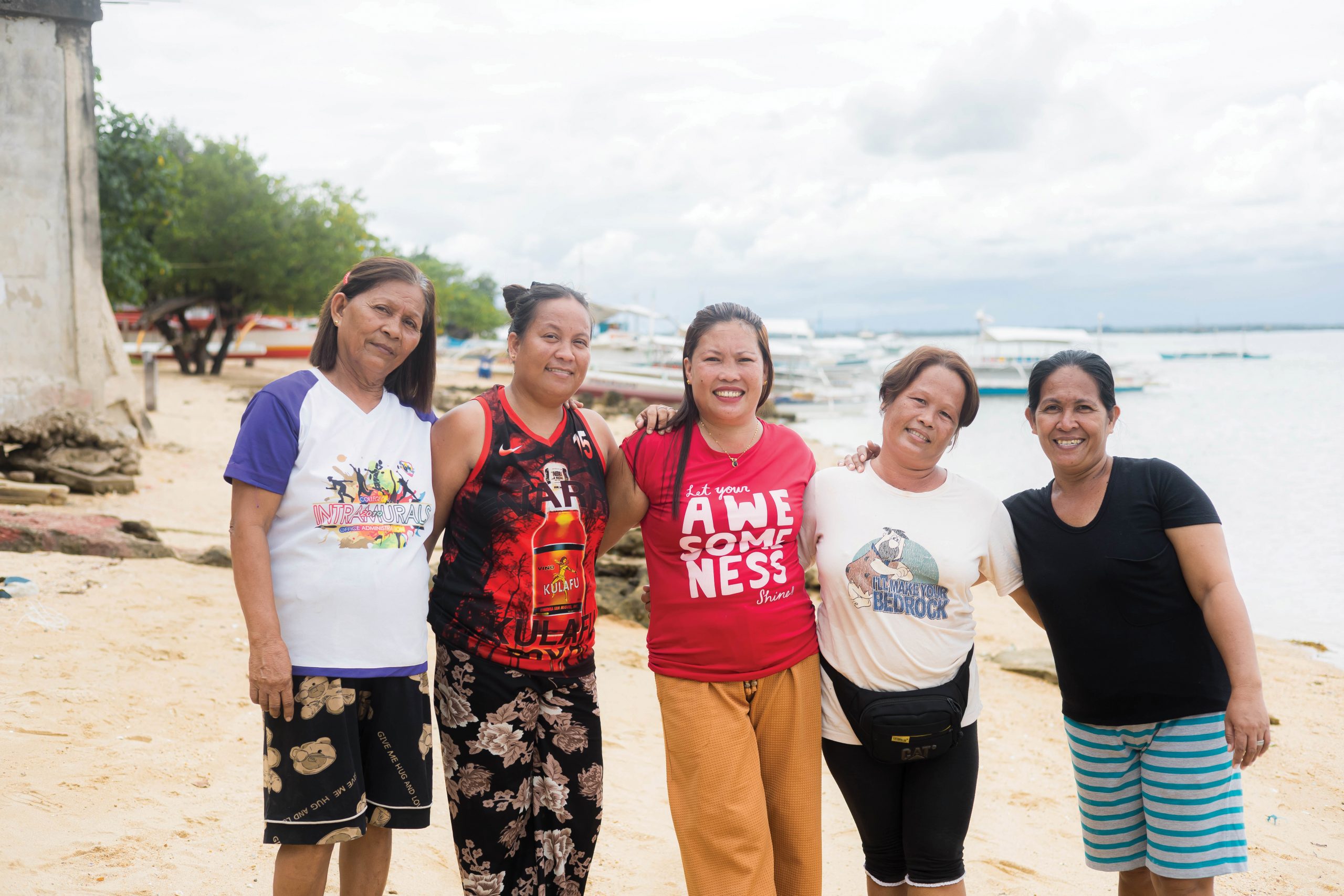
The Group Recognition Test, or GRT, allows us to ensure that each member of our clients’ 5-member group has sufficient income-generating and survival skills to create a sustainable livelihood, understands how to manage her credit-line, and is willing and able to exercise good credit discipline.
OUR FLAGSHIP PROJECTS
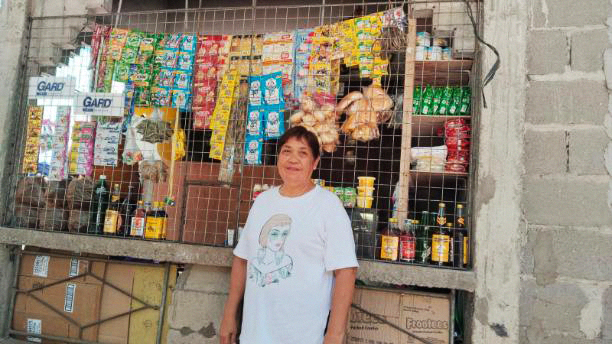
Project Dungganon aims to help poor women from rural communities achieve self-reliance and rise above poverty by providing them with training and credit to start or maintain their own small business ventures. By providing access to collateral-free credit through loans and other services, Project Dungganon helps them discover their own entrepreneurial spirit and realize their potential to effect positive change.
BUILDING SUSTAINABLE COMMUNITIES

Promote responsible entrepreneurship
Provide easy and affordable access to preventive healthcare